


2026-IntuitionNotLightningBoltBlog-featured

Your Intuition Doesn’t Usually Arrive as a Lightning Bolt

Many people expect intuition to arrive with force. They imagine a clear voice, an unmistakable sign, or a sudden certainty that leaves no room for doubt.

Sometimes it does happen that way. More often, intuition arrives quietly enough that we almost miss it.

It may be the hesitation you feel before agreeing to something. A sense of relief that appears before you understand why. A subtle pull toward one conversation and away from another. It may even show up as a loss of interest in something your mind has been working very hard to keep alive.

Intuition rarely competes for attention. It does not always explain itself, and it often arrives before the mind has gathered enough evidence to support it.

That is why people miss it. They are waiting for thunder while the guidance has already arrived as a change in the air.

The First Signal Is Often Simple

There is a common misunderstanding that intuitive guidance should feel impressive. The mind wants proof. It wants a message large enough to silence every objection.

But intuition often begins with something much smaller.

You notice that your body softens when one possibility is mentioned and tightens around another. You sense that a room has changed before anyone says a word. You know that a decision needs more time, even though everyone around you seems ready to move forward.

At first, you may not be able to explain what you are perceiving. You simply know the energy has shifted.

This is where discernment begins. Before interpretation, there is noticing.

The first movement of intuition may be very plain: this feels clear, this feels heavy, this is not the right time, this is no longer mine.

Those impressions are easy to dismiss because they do not arrive with an argument. They may feel almost too ordinary to trust. Yet a great deal of real guidance enters our awareness in exactly this way.

The mind often arrives a moment later.

It explains why saying yes would be easier. It tells you that you are being too sensitive. It reminds you what other people expect. It makes a case for pushing through, staying longer, or ignoring what you already sensed.

The original signal may have been clean. The confusion came afterward.

Many sensitive people learned early to distrust their first perception. Perhaps they were told they were imagining things, overreacting, or making too much of what they felt. Over time, they may begin treating their own knowing as something that requires outside permission.

Then the inner voice speaks, the mind cross-examines it, and the person concludes that the guidance was unclear.

Learning to recognize intuition often begins with noticing what came first.

Intuition and Anxiety Do Not Feel the Same

One reason people hesitate to trust themselves is that they worry they are confusing intuition with fear. That concern deserves care because anxiety can also feel immediate and compelling.

Anxiety usually carries urgency. It loops. It pushes for certainty before enough information is available. It often narrows the body and repeats the same thought without bringing anything new.

Intuition has a different quality.

Even when it brings difficult information, there is often something steadier beneath it. The message may be firm, but it is rarely frantic. It may ask you to pay attention without demanding that you act in panic.

This distinction becomes clearer through experience. You begin to recognize how fear behaves in your system and how deeper guidance behaves. For one person, intuition may arrive through the body. For another, through dreams. Someone else may receive a brief, quiet sentence that appears fully formed and then disappears before the mind can analyze it.

There is no single formula that works for everyone.

The better practice is observation. Notice what happens after you follow fear. Notice what happens after you follow a quieter knowing. Pay attention to the patterns that repeat over time.

Discernment develops through relationship with your own inner language.

That relationship also requires grounding. As intuitive perception opens, it can be tempting to treat every strong feeling, coincidence, or impression as meaningful. Intensity is not the same as truth.

Grounded guidance brings you into a clearer relationship with reality. It may ask something difficult of you, but it usually leaves you more honest, more present, and more steady. It does not require spiritual drama.

Sometimes the wisest response to an impression is to wait. Let it settle overnight. Take a walk. Sit in prayer. Bring it into healing work. Speak with someone who can listen without imposing an answer.

True guidance does not become less true because you gave it time.

Quiet Guidance Needs Room

Most people are carrying an enormous amount of input. Messages, news, family needs, work, unfinished conversations, other people’s emotions, and the pressure they place on themselves all compete for attention.

For sensitive people, the field can become especially crowded. They may sense what everyone else needs while gradually losing contact with their own center.

When that happens, every signal can begin to feel equally important. An old wound may sound like guidance. Someone else’s urgency may feel like your responsibility. A passing worry may be mistaken for a warning.

Silence helps separate the layers.

So does time away from the places where the same roles keep repeating.

There is a reason people often hear themselves more clearly near the ocean, beneath old trees, or in a chapel after everyone else has left. The outer field settles, and something within us has room to become audible again.

Intuition does not always need more effort. Often, it needs fewer interruptions.

This is why the small signals matter. Intuition usually builds trust through ordinary moments before it asks us to trust something larger. You hesitate before making a commitment and later understand why. You feel drawn to contact someone who needed support. A quiet nudge keeps returning, asking you to revisit a conversation, a practice, or a piece of work you set aside too soon.

The point is not to turn every coincidence into a message. The point is to become honest about what returns with consistency and calm.

Intuition matures through attention. The more familiar you become with the way it speaks, the less you need it to arrive dramatically. You begin to recognize the slight turn in the current.

Making Space to Hear Yourself Again

Sometimes clarity does not come because we have not thought hard enough. It comes because we have finally created enough space to hear what has been present all along.

That is part of what retreat offers.

At Asilomar at Carmel, I will be guiding students through several days of spiritual practice, healing work, rest, and deeper listening. Away from the usual demands of home and work, the nervous system has a chance to settle. The roles you carry every day begin to loosen, and the quieter movements within you become easier to recognize.

You do not need to arrive with certainty or a dramatic calling. You can come with a question, a longing, or simply the sense that something within you is asking for room.

The ocean, the Monterey cypress, the shared practice, and the time away all support the same invitation: to become quiet enough to recognize the guidance that may already be there.


Learn more about Asilomar at Carmel >>

2026-UncomfortableAtRestBlog-featured

Why Rest Can Feel So Uncomfortable

Many people say they want to rest.

Then the moment they finally have space, something strange happens.

The body slows down, but the mind starts looking for something to manage. The calendar opens, but the nervous system stays alert. A quiet afternoon arrives, and instead of feeling restored, a person feels restless, guilty, or strangely exposed.

This can be confusing, especially for sensitive people who genuinely crave stillness.

They may have been dreaming of a break for weeks. They may know they are tired. They may even feel the deep ache of spiritual and emotional depletion.

Then rest appears, and the system resists it.

For many people, rest is unfamiliar territory.

The Body May Need Time to Believe It Is Safe

Rest is often treated as something simple.

You stop working. You take a day off. You sit somewhere quiet. You put the phone down.

But the body does not always follow the mind’s decision.

A person can understand that she is safe and still feel tense. She can know the house is quiet and still find herself listening for the next demand. She can be away from work and still carry the pulse of urgency in her chest.

The nervous system learns through repetition.

If it has spent years responding to other people’s needs, managing tension, anticipating problems, or staying strong through difficult seasons, it may not soften the moment life becomes quiet. It may scan for the next need before the need has appeared.

This is especially common for caretakers, healers, parents, and people who have spent much of their lives holding the emotional atmosphere for everyone around them. Their bodies may know how to perform calm long before they know how to receive it.

Rest can feel uncomfortable because it asks the system to release a role that once felt necessary.

That takes time.

Busyness Can Become a Form of Protection

There is a reason people often reach for tasks the moment they begin to slow down.

A drawer needs organizing. An email needs answering. Someone should be checked on.

The mind can make almost anything feel necessary when stillness begins to stir what has been waiting underneath.

Busyness gives structure. It creates a sense of usefulness. It lets a person feel in control. For sensitive people, it can also protect them from feeling too much at once.

When life is full, there is little room to notice the grief beneath the competence, the resentment hidden under generosity, or the loneliness that can appear even inside a busy home.

Stillness takes away some of the usual cover.

A quiet room may reveal how tired you are. A walk without your phone may show you how often your attention has been pulled away from yourself. A few unscheduled hours may bring forward emotions that were never invited into the day.

This is part of why true rest can feel awkward at first.

It is a return of attention.

Why Guilt Appears When You Rest

Many people encounter guilt when they begin to rest.

It may sound reasonable.

There is more to do.

Other people need me.

I should be farther along.

I can slow down after this next thing is handled.

For some, guilt becomes so familiar that they mistake it for wisdom. They treat it as proof that rest is selfish or irresponsible. Yet guilt is often a sign that an old agreement is being disturbed.

The agreement might be: I am valuable when I am useful.

Or: I am safe when everyone else is okay.

Or: I can rest after everything is handled.

The trouble is that everything is rarely handled.

Life keeps producing new needs. Families keep shifting. Work keeps asking. The world rarely pauses long enough to grant permission.

At some point, rest has to become something we enter before every outer condition approves of it.

A body that never receives restoration will eventually find its own way to stop. A spirit that is always giving will begin to lose contact with its own quiet knowing.

Guilt may appear at the threshold, like an old guard standing at a gate.

You can acknowledge it without letting it lead.

Sensitive People Often Need a Different Kind of Rest

There is physical rest, and there is energetic rest.

They are related, though they reach different layers of the self.

Physical rest may come through sleep, stillness, food, warmth, or time away from strain. Energetic rest asks for something more subtle. It asks a person to release what she has absorbed, return to her own center, and stop carrying the emotional weather of everyone around her.

A sensitive person may sleep for eight hours and still wake up tired if her field remains crowded with worry, obligation, old conversations, other people’s moods, and the constant sense that she needs to be available.

This is why ordinary rest sometimes falls short.

A day off can help, but it may not reach the deeper layer where the system is still braced. A vacation can be pleasant, but if a person brings the same inner pace with her, she may return with photographs and souvenirs while the deeper exhaustion remains untouched.

Energetic rest often begins when there is enough space to notice what you have been carrying.

Gently.

The way the tide leaves small shells behind as it pulls back from the shore.

Why Leaving the Familiar Can Help

Sometimes the soul needs distance from the patterns that keep asking it to perform.

Home carries many associations. Even a beloved home holds reminders of roles, tasks, relationships, and unfinished things. The body knows where the laundry is. It knows who needs what. It knows which chair you sit in when you worry.

A familiar environment can keep familiar responses alive.

This is one reason retreat has always had a place in spiritual life.

In ancient traditions, people stepped away from ordinary routines for prayer, silence, study, and renewal. Desert mothers and fathers went to the edges of society. Monastics built rhythms around contemplation. Pilgrims walked roads with sore feet and simple intentions.

The outer movement supported an inner one.

A retreat creates enough distance from ordinary life for a person to meet herself differently.

When someone leaves the usual demands for a period of time, something in the system can begin to loosen. The mind may still reach for its lists at first. The body may still carry the shape of responsibility. But gradually, the field has fewer interruptions.

There is room to listen again.

Rest Is Something We Learn to Receive

Many people have been trained to earn rest through exhaustion.

They wait until they are depleted enough to justify stopping.

Spiritual maturity invites a different relationship with restoration. Rest becomes part of how we remain clear enough to serve, love, heal, discern, and listen.

It becomes a practice of alignment.

At first, rest may feel like doing less.

Over time, it can become a deeper form of participation. We stop moving from depletion. We stop calling overextension devotion. We begin to recognize the difference between true service and the old reflex to abandon ourselves.

This recognition can be quiet.

A woman closes her laptop before her body collapses. A healer clears her own field before entering someone else’s pain. A caretaker lets herself be held without turning the moment into another task.

These are small shifts, but they matter.

Rest changes the quality of our presence.

An Invitation to Asilomar at Carmel

If this teaching speaks to something you have been feeling, you may be called to step out of your ordinary pace for a time.

At Asilomar at Carmel, Deborah will guide students in a retreat setting where restoration, listening, and spiritual connection can unfold with more space around them.

The setting itself supports the work: ocean air, old Monterey cypress, and the kind of quiet that becomes easier to hear when you are no longer surrounded by the usual demands of home, work, and constant response.

You do not need to arrive with everything figured out. You do not need to make rest into another assignment. You can come as you are, with whatever is tired, tender, unfinished, or ready to be heard.

Sometimes the deeper part of us needs room.

Join Deborah at Asilomar at Carmel >>

2026-EnergyofWordYouNeverSayBlog-featured

The Energy Behind the Words You Never Say

There are conversations we carry long after they end.

Some never happened at all.

A boundary stayed unspoken. Grief was set aside because the family needed us. Anger was softened until even we could barely feel it. A truth sat quietly in the background while life moved on.

We often think of these experiences as memories, but unexpressed emotions can remain active in the way we move through the world. They shape what feels safe, what makes us pull back, and where our energy changes before the mind has found an explanation.

You may feel this as tension around a certain person. A sudden heaviness when a familiar subject comes up. Exhaustion after a conversation that seemed perfectly ordinary on the surface.

The reaction can appear larger than the moment.

Often, the moment is touching something older.

The Energy of Unexpressed Emotions

Every meaningful experience leaves some kind of impression.

Many experiences move through us naturally. We feel them, respond, and continue. Others remain unfinished because there was no room to meet them at the time.

A child learns to stay quiet when adults are angry.

A caregiver keeps going through a period of grief because everyone else depends on her.

Someone spends years making peace in a family where honesty always seemed to come at a cost.

These responses can be wise in the moment. They may even help us survive difficult periods. The trouble comes later, when an old response continues running long after the original circumstances have changed.

The body remembers the pattern.

The nervous system remembers.

The energy field carries its own history as well.

This is one reason a present-day interaction can stir an unexpectedly strong response. The person in front of you may have touched an older place that has been waiting for attention.

That doesn’t mean every reaction needs to be analyzed. Endless searching can become another way of leaving the present moment.

Awareness begins more simply.

Something changed in me just now.

That is enough to notice.

Silence Can Come From Wisdom or Habit

There is great value in silence.

Some things need time before they are spoken. Some conversations become clearer after we stop trying to force them. Discernment allows us to sense what belongs in a moment and what can wait.

But silence can also become automatic.

Many sensitive people learned early to read a room. They knew who was upset before anyone said a word. They became skilled at smoothing tension, making themselves easy to be around, and putting other people’s needs first.

After enough years, that way of living can feel like personality.

It may be something deeper.

The healer who always knows what everyone else needs may have lost touch with her own fatigue.

The parent who keeps the peace may barely notice how often she abandons what she wants.

The person everyone calls strong may have become so practiced at carrying pain that receiving support feels almost foreign.

These patterns rarely announce themselves dramatically. They show up in small places.

A tight throat.

A conversation rehearsed dozens of times but never begun.

A wave of tiredness after saying yes.

The inner life has its own quiet vocabulary.

What the Body and Energy Field Reveal

The body often registers an experience before the thinking mind catches up.

Shoulders rise.

Breathing becomes shallow.

The stomach tightens.

A person may feel a sudden urge to leave a room without knowing why.

These responses can carry valuable information. The practice is learning to stay present long enough to notice them without rushing into a story.

Curiosity helps here.

You might simply ask what changed.

What happened in the moment before the tension appeared?

Where did you feel it first?

Does the feeling seem familiar?

The point is presence. Over time, patterns begin to reveal themselves through repetition.

One conversation may tell you very little.

The same response appearing across several years tells you more.

This kind of awareness asks for patience because the most meaningful information is often subtle. We live in a culture that rewards immediate interpretation. Spiritual maturity tends to move at another pace.

Sometimes understanding comes much later.

The Cost of Constant Containment

Keeping an experience buried takes effort.

So does maintaining an old role.

Many people become accustomed to this effort because they have carried it for years. They may simply call themselves tired, sensitive, introverted, difficult, or overwhelmed.

Yet some forms of exhaustion come from the constant work of self-containment.

A person monitors every word.

She anticipates the response before she speaks.

She keeps part of herself hidden so the relationship can stay comfortable.

Over time, this can create a quiet split between the life being lived and the truth being felt.

Healing often begins when that split becomes visible.

There may be no dramatic breakthrough. A person simply realizes, perhaps for the first time, how much effort has gone into holding everything together.

That recognition can bring relief.

The truth has finally been allowed into the room.

Sensitivity Becomes More Useful With Discernment

As spiritual awareness deepens, many people become more sensitive to what is happening beneath the surface.

They notice shifts in a room.

They feel the emotional tone of a conversation before anyone names it.

They sense when someone is saying one thing while carrying something quite different underneath.

This can be a gift, but sensitivity by itself is incomplete.

Without discernment, a person may absorb what belongs to others. She may confuse intuition with fear or assume every strong feeling contains a message that needs to be acted upon.

Greater perception asks for greater steadiness.

An experienced healer learns to observe before interpreting. She develops the capacity to remain present around strong emotion without becoming consumed by it. She becomes more careful about what she assumes, what she absorbs, and what she believes is hers to address.

This is advanced work.

The deeper a student moves into healing, the more important it becomes to understand the difference between sensing something and knowing what to do with it.

Learning to Work With What Is Unspoken

Words carry information.

So do pauses, changes in tone, patterns of withdrawal, and shifts in the energetic field.

A healer may sense that something important is present before a client has language for it. That awareness has to be held with care.

There is no need to force disclosure.

No need to name everything immediately.

A mature healer creates enough steadiness for what is ready to emerge.

That capacity develops over time through practice, humility, and direct experience. It requires more than sensitivity. It asks for a strong relationship with one’s own field, because the clearer we become about our own patterns, the less likely we are to confuse them with someone else’s.

For students who have already completed the earlier levels of LifeForce Energy Healing®, this is part of the deeper work that comes next.

Continue Your LifeForce Energy Healing® Training

If you have completed the prerequisite levels and feel ready to deepen your ability to perceive and work within the energetic field, LifeForce Energy Healing® Level IV offers the next stage of the training.

Level IV is for students prepared to expand their healing capacity with greater depth, discernment, and responsibility. The work continues to develop your awareness of subtle energy while strengthening your ability to hold what arises with clarity.

There is no need to rush readiness.

When the next step is right, there is often a quiet recognition.

Learn More About LifeForce Energy Healing® Level IV >>

Concept of an open magic book; open pages with water and land an

Mercury Retrograde in Cancer: The Message Beneath the Pause

Mercury Retrograde has a reputation.

People blame it for the missed message, the strange delay, the confusing conversation, the travel plan that suddenly needs three extra steps, the email that never arrived, the text that somehow sounded different than it was meant to sound.

There is truth in that reputation. Mercury has long been associated with communication, travel, messages, commerce, and the quick movement of thought. When Mercury appears to move backward from our view on Earth, those areas of life often ask for more patience.

But inconvenience is only the surface.

In the old myths, Mercury was the messenger between worlds.

The Romans called him Mercury. The Greeks called him Hermes. He moved between heaven and earth, between the visible and invisible, between ordinary life and the hidden places where something sacred waits to be delivered.

That is part of what makes Mercury so important.

He crosses boundaries.

He carries messages from places we do not always know how to enter directly.

So when Mercury appears to reverse course, the message may come from a place we have been moving too quickly to hear.

This Mercury Retrograde is moving through Cancer, which brings the messenger into the emotional body. Cancer is connected with memory, home, family, protection, tenderness, belonging, and the places where we learned how to keep ourselves safe.

That means this retrograde may feel personal.

Old conversations may return with a different charge. A family pattern may become harder to ignore. A memory may rise in the body before the mind understands why it matters. Something you thought you had moved past may come forward again, asking to be met with more honesty.

This does not mean you have gone backward.

It may mean the deeper self is ready to understand something at a new level.

Many people move through life with old emotional agreements still operating quietly in the field.

I will keep the peace.

I will ask for very little.

I will stay useful.

I will make myself easy to love.

I will hide the need before it becomes inconvenient.

These agreements often began as protection. A child learns the emotional weather of a home very quickly. The body notices which feelings change the room, which needs bring silence, which truths create distance, and which parts of the self seem safer when hidden.

Over time, those protections can become so familiar that they start to feel like personality.

Then Mercury Retrograde arrives in Cancer, and something old begins to show through.

A delay may reveal where you have been rushing past a feeling. A misunderstanding may show where truth has been softened too many times. A returning memory may bring your attention to a part of the self that was never fully received.

This is the sacred work of review.

Review is not the same as circling a wound.

Sacred review brings the deeper self closer to something that was once too charged, too painful, or too early to understand. It asks you to look again from the person you are now, with more presence in the body and more compassion in the field.

During Mercury Retrograde in Cancer, the message may come through the emotional body.

The chest that tightens before a conversation.

The belly that reacts before the mind has chosen a response.

The throat that holds the words because silence once felt safer.

The memory that rises with more force than the present moment seems to explain.

These are not interruptions to your spiritual life.

They may be the places where the message is trying to enter.

This is why the pause can be medicine.

A pause gives the field time to reveal what speed has been covering. It gives the body a chance to speak before the mind organizes the story. It gives the deeper self room to stand closer to the part of you that once had to survive alone.

If communication feels tangled during this retrograde, slow down before deciding what it means.

Listen for the feeling underneath the words.

Notice whether the old pattern wants to take over.

Does it want to defend?

Withdraw?

Explain?

Please?

Disappear?

Control?

There is usually a reason the system reaches for one of these movements. The work is to become intimate enough with the pattern that you can feel it without letting it lead.

If plans shift, let the interruption show you something.

Sometimes a delay exposes exhaustion that has been ignored. Sometimes a canceled plan returns energy to the body. Sometimes the thing that does not work out creates enough space for the truth to rise.

If memories come forward, meet them gently.

You do not have to turn every memory into a project. Some memories only need to be witnessed from the person you are now, with the deeper self standing closer than it could before.

That is healing.

The past may not change.

Your relationship to the past can.

The part of you that once had to survive alone is no longer alone in the body.

Mercury Retrograde in Cancer can be a tender season, but tenderness is not weakness. Tenderness is often the doorway into a more honest relationship with your own field.

So during this retrograde, let the disruptions slow you down enough to listen.

Review the agreements you have been living from.

Notice where your energy leaves center before anyone has asked for anything.

Pay attention to the memories that return with charge, and the conversations that want a cleaner truth.

Mercury, the messenger, may be moving backward from our view.

But the soul may be using that backward motion to bring something forward.

A truth.

A memory.

A piece of your life force.

A part of you that has been waiting for the right light to return.

Sometimes the pause is the medicine.

And sometimes the message arrives only when we are finally willing to stop long enough to receive it.

Give What Is Opening More Room

Mercury Retrograde can reveal something. Sometimes the next step is giving that recognition enough time and space to settle into the body.

This November, we’ll be gathering with students at Asilomar on California’s Monterey Peninsula for The Sea of Light: Restore, Renew, and Reconnect.

For a few days, the usual rhythm changes. There is time for teaching, healing work, reflection, and the deeper listening that daily life can make difficult.

If this season is bringing old material forward, or if you can feel something in you asking for renewal, Asilomar may be a place to stay with that movement more fully.

Learn more about the LifeForce Energy Healing® Retreat at Asilomar >>

Concept of an open magic book; open pages with water and land an

The Capricorn Full Moon: What Your Soul Is Ready to Carry

After a full moon, there is often a quieter kind of seeing.

The feeling has peaked. The light has done its work. Whatever rose to the surface may now be sitting closer to the body, less dramatic than it felt at first, but harder to dismiss.

The Capricorn Full Moon brings that kind of clarity.

Capricorn is concerned with structure, responsibility, discipline, maturity, and the shape a life takes over time. It asks what can be built. What can be sustained. What has become too heavy to keep carrying in the same old way.

For sensitive people, this can be a revealing moon.

Many intuitive souls are used to carrying more than they name. They carry the emotion in the room. They carry the family pattern. They carry the unspoken need, the unfinished grief, the subtle pressure to be useful.

Some burdens are chosen consciously.

Others are inherited so early that they begin to feel like identity.

Under a Capricorn Full Moon, the soul may begin reading the ledger differently.

The Old Ledger of the Soul

In ancient accounting, debts were recorded by hand.

Line by line. Name by name. Grain owed. Silver owed. Land owed. Promise owed.

The ledger carried authority because it made the invisible visible.

Many sensitive souls keep an inner ledger without realizing it. The entries may never have been spoken aloud, yet the body obeys them.

I owe them calm.

I owe them access to me.

I owe them understanding when they cannot understand themselves.

I owe them my silence if my truth would disturb the room.

I owe them my healing gift, even when I am depleted.

After years of living this way, the ledger can begin to feel holy. The sensitive person may call it love. She may call it service. She may call it loyalty, maturity, compassion, or devotion.

And some part of it may have begun as care.

But a debt is not made sacred because it has been paid for a long time.

This moon can bring the old accounts into view.

When Responsibility Becomes Identity

A false burden rarely announces itself as false.

It usually enters the life through something tender. A child learns to read the room because the adults around her are unpredictable. A daughter becomes the steady one because no one else can stay grounded. A healer learns to feel another person’s pain and assumes that feeling it means she must carry it.

Over time, the nervous system mistakes the arrangement for truth.

The voice softens before a boundary can form. The body tightens when someone else is disappointed. The intuitive gift reaches outward before Source has instructed it to move.

The ledger keeps running.

This is how responsibility becomes identity.

The person does not simply carry burdens. She begins to organize herself around being the one who carries. She becomes known for steadiness, generosity, sensitivity, understanding. People may praise the very pattern that is draining her life.

That can make the old agreement harder to see.

Capricorn brings the question back to structure. What has this pattern built? What has it cost? What kind of life keeps being reinforced every time the old debt is paid again?

These are sober questions.

They are also merciful ones.

Sacred Responsibility Has a Different Weight

There are responsibilities that deepen a life.

A child. A true calling. A promise made from the right place. A spiritual practice that returns the body to Source. A gift that asks for discipline because it has become too real to leave untended.

These responsibilities can be demanding, but they carry a line of life through them. They ask something real from us and give something real back to the soul.

False burdens feel different.

They often carry pressure, resentment, guilt, urgency, or the fear that love will be withdrawn if the burden is laid down.

The body usually knows the difference before the mind is ready to admit it.

A sacred responsibility may make you tired, but it does not usually make you disappear from yourself. A false burden tends to shrink the inner life over time. Less breath. Less truth. Less room for the gift to stand upright.

This distinction matters deeply for sensitive souls.

Because many intuitive people can carry a great deal, they may forget to ask whether the weight belongs to them.

The Gift and the Old Debt

Intuitive gifts often awaken in people who have already been carrying too much for years.

This can make the gift feel complicated at first.

A person senses energy clearly, but the old habit of over-responsibility shapes what she does with that perception. She feels someone’s grief and immediately reaches. She notices heaviness in the room and assumes she must clear it. She receives an impression and feels pressure to act before the message has been tested, prayed with, or allowed to settle.

The gift may be real, while the old debt is still speaking through it.

This is why training matters.

A serious spiritual energy field helps the student separate clean service from inherited obligation. It gives the gift a place to mature without being tangled in every need it perceives.

There is relief in that.

The sensitive person begins to understand that compassion does not require collapse. Service does not require constant access. Guidance does not usually arrive as panic. Love does not ask the soul to keep paying debts that Source never assigned.

Slowly, the ledger changes.

Some entries are crossed out.

Some are rewritten.

Some are finally seen as belonging to another person entirely.

What This Full Moon May Be Showing You

The Capricorn Full Moon may show where your life has been structured around an old account.

It may reveal the places where care became control, where service became depletion, where silence became the price of belonging.

This does not have to become a dramatic gesture.

Capricorn respects steady work.

The first movement may be private. A sentence written in a journal. A breath taken before answering. A pause before rescuing. A boundary spoken without apology. A willingness to let another person have their own process without rushing in to manage the energy field.

These small acts begin changing the structure.

They teach the body that the old ledger is not the only authority.

They give the gift a cleaner place to stand.

Letting the Gift Carry Source Instead of Strain

This is part of the deeper invitation inside LifeForce Energy Healing® Level IV.

For the student who has carried too much alone, Level IV offers a steadier energy field.

It is Deborah’s Master-in-Training journey for advanced students who are ready to let their sensitivity become more grounded, their intuition more discerning, and their healing gifts more fully held inside a protected container.

Over the course of a year, students receive live teaching, energetic practice, correction, community, and direct guidance from Deborah.

The gift is given time to mature.

The old patterns have room to surface.

Service can become cleaner, less driven by guilt or exhaustion, and more aligned with Source.

For a sensitive soul, this kind of energy field can change the way responsibility is carried.

The gift begins to serve from a different place.

If Your Soul Is Ready to Carry Differently

After this full moon, listen to what remains.

There may be a quiet recognition that something in your life has become too heavy because it was never meant to be carried in the old way.

There may be an old entry in the ledger that no longer feels true.

There may be a gift within you asking for a clearer structure, a steadier energy field, and a more honest relationship with service.

If your sensitivity, intuition, or healing gifts are asking for that kind of support, LifeForce Energy Healing® Level IV may be the next step.

Click here to learn more and reserve your place >>

Concept of an open magic book; open pages with water and land an

What the Longest Light Reveals

There are certain moments in the year when the outer world seems to speak in a language the soul already understands.

The summer solstice, this week, is one of those moments.

For a few days, the light feels extended. The evenings hold a little longer. The body notices before the mind organizes the meaning. Something in the field seems to say, stay awake here. Look a little more honestly. Let what has been hidden stand in the open for a moment.

The longest light can feel beautiful.

It can also feel exposing.

This is part of its medicine.

Light does not always arrive as comfort. Sometimes it arrives as revelation. It shows where the old life has become too small. It touches the place where a calling has been postponed for so long that postponement begins to feel like personality. It reveals the quiet exhaustion that comes from carrying a gift privately, waiting for certainty to become perfect before taking the next step.

For sensitive souls, this season can stir a particular kind of recognition.

The soul begins to feel what it has been living around.

The Light Finds What Has Been Waiting

Many people imagine spiritual clarity as a dramatic moment.

A door opens. A sign appears. The body fills with certainty. The path becomes obvious, and the person walks forward without resistance.

Sometimes that happens.

More often, clarity arrives gradually. It gathers itself through small recognitions. A sentence in a book stays with you. A conversation leaves the body unsettled in a way you can’t ignore. A dream repeats. A teaching you once heard begins to sound different because you are different now.

The longest light has a way of gathering these small recognitions and placing them in the same room.

A person may suddenly see that her sensitivity has been asking for more care. She may notice that her intuition has grown stronger, but her daily life has not made enough room for it. She may realize that the gift she has been calling private is beginning to ask for training, structure, and a steadier place to mature.

There is often tenderness in this.

Because what has been waiting is rarely loud at first. It may have been standing at the edge of the inner life for years, patient as a figure in an old fresco, visible only when the wall catches the right angle of sun.

Then one day the light changes.

And there it is.

Visibility Can Feel Like a Threshold

When the soul brings something into the light, the first response is not always relief.

Sometimes the first response is caution.

A sensitive person may know she is changing, yet still feel attached to the arrangements that kept her hidden. She may want the gift to grow, while also wanting life to stay understandable. She may sense the next step and then immediately begin making a case for later.

This is very human.

Visibility changes things.

Once a gift is seen, it asks to be related to more honestly. Once a calling becomes conscious, it becomes harder to pretend it is only a passing interest. Once the body recognizes that an old pattern has grown too tight, the soul begins quietly withdrawing its agreement from that pattern.

That withdrawal can feel strange.

The outer life may still look familiar. The calendar may still be full. The same rooms, responsibilities, relationships, and habits may still be there. Yet something inside has begun to shift position.

This is often where sensitive souls need steadiness.

Because the moment of revelation is only the beginning. The deeper work is learning how to live with what the light has shown.

The Gift Needs More Than Recognition

Recognition is sacred, but it is not the same as formation.

A person can recognize that she is intuitive and still struggle to trust what she receives. She can recognize that she is called to healing and still carry too much of other people’s pain. She can recognize that her sensitivity is real and still feel overwhelmed by the room, the family pattern, the collective field, or the old reflex to overgive.

The light reveals the gift.

The vessel has to be built over time.

This is where many spiritually sensitive people become frustrated. They have moments of clear knowing. They feel deeply moved by teachings, transmissions, or sacred spaces. They may sense that something real is opening, then find themselves back in ordinary life without enough structure to hold what opened.

The soul has glimpsed the horizon, but the feet need a path.

In some old monasteries, illumination was not treated as an ending. A moment of light was followed by discipline, prayer, service, guidance, and daily return. The glimpse was honored, then given a form sturdy enough to survive the weather of ordinary life.

Sensitive gifts need that same care.

A single moment of clarity can open the door.

Practice teaches the student how to walk through it without scattering.

What the Longest Light May Be Showing You

Around the solstice, some people feel energized. Others feel tired, raw, or strangely aware of everything they have been avoiding.

Both responses can carry intelligence.

The body may be showing where too much has been held alone. The heart may be showing where devotion has quietly become obligation. The intuition may be showing where it needs cleaner boundaries, more training, or a circle where subtle perception can be spoken without being made smaller.

This season can also reveal the difference between what is visible to others and what is true inside.

A person can appear capable while feeling spiritually under-supported. She can be generous while carrying resentment in places she has not wanted to name. She can be deeply intuitive while still doubting the guidance that comes through her own body.

The longest light asks for honesty.

Gently, but clearly.

It invites the soul to stop arranging itself around the need to remain acceptable, manageable, or easy to understand.

Letting the Light Become Structure

There is a way to receive revelation without rushing it.

You can let the light show you what it is showing. You can write down the sentence that keeps returning. You can notice what in your life feels too small now. You can let the body tell the truth before the mind tries to negotiate it back into the familiar.

Then comes the question of structure.

What kind of practice would help this gift mature?

What kind of guidance would help you trust what you receive?

What kind of field would allow your sensitivity to become steadier, clearer, and less entangled with old patterns of fear or overgiving?

These are mature spiritual questions.

They do not need to be answered in panic. They do deserve respect.

This is part of the invitation inside LifeForce Energy Healing® Level IV.

Level IV is Deborah’s Master-in-Training journey for advanced students who are ready to let their sensitivity become more grounded, their intuition more discerning, and their healing gifts more fully held inside a protected container.

It is a year of live teaching, energetic practice, correction, community, and direct guidance from Deborah.

A year where the light can become structure.

A year where the gift can become steadier in the body.

A year where private knowing can begin to take a more honest form.

If the Light Is Showing You Something

If this season has been revealing something you can no longer quite ignore, listen gently.

You do not need to force an answer before it has ripened. You do not need to perform readiness. You can simply begin by respecting what the light has shown.

And if your sensitivity, intuition, or healing gifts are asking for a stronger field in which to mature, LifeForce Energy Healing® Level IV may be the next step.

Click here to learn more and reserve your place >>

Concept of an open magic book; open pages with water and land an

How to Tell Clean Guidance From Spiritual Noise

Sensitive people often receive more than they know how to sort.

A feeling enters the body before a conversation begins. A dream follows you into the morning. A sudden pressure appears in the chest while thinking about someone. A sentence rises from somewhere quiet and asks for attention.

For an intuitive person, these moments can feel familiar.

They can also become confusing when the inner room is crowded.

There is so much spiritual language moving through the culture now. So many words for energy, awakening, alignment, collapse, destiny, purpose, and guidance. Some of those words carry truth. Some carry fear in a beautiful coat. Some are simply smoke from another person’s fire drifting into your room.

And for the sensitive soul, the work is learning how to listen without swallowing everything whole.

When the Room Gets Too Smoky

In ancient temples, incense was used with care.

Frankincense, myrrh, cedar, and kyphi were never treated as decoration. The smoke prepared the body for prayer. It marked a threshold between ordinary life and sacred attention. It changed the air so the person entering the temple could remember that something different was being asked.

But even sacred smoke needs tending.

Too much smoke fills the room. The eyes begin to sting. The edges blur. After a while, the person inside may no longer know whether the atmosphere has become holy or simply too thick to see through.

Spiritual noise works in a similar way.

It may feel charged. It may seem meaningful. It may arrive with sensation, emotion, timing, or urgency. And because the sensitive person is used to perceiving what others miss, she may assume the charge itself means something must be done.

That is where confusion often begins.

The room has become full, and the soul needs cleaner air.

Why Intensity Can Be Misleading

Many people mistake intensity for truth.

A message feels strong, so they obey it. A sensation arrives suddenly, so they assume it is guidance. A dream leaves an emotional imprint, so they begin arranging their life around it before the deeper meaning has had time to emerge.

Intensity can carry truth.

It can also carry fear, old pain, exhaustion, longing, or another person’s field pressing too close.

This is especially important for intuitive people because they often register subtle movement before they have language for it. The body receives first. The mind explains later. If the mind is anxious, tired, or eager for certainty, it may give the sensation the wrong name.

That is how spiritual noise becomes convincing.

It does not always feel empty. It often feels important.

But importance is not the same as clarity.

Clean guidance usually has a different texture. It may be firm, even uncomfortable, but it rarely feels frantic. It may ask for courage or restraint. It may interrupt an old pattern. It may ask you to wait when every anxious part of you wants to act.

The body often recognizes this difference before the mind can explain it.

With clean guidance, the breath may return. The field may gather. Something in you becomes more present, even if the next step is not easy.

With spiritual noise, the field often scatters. The mind keeps circling. The message demands more proof, more urgency, more emotional heat. It does not settle well in the body.

That is one of the first things to notice.

Fear Can Sound Very Spiritual

Fear is not always crude.

Sometimes fear arrives dressed in sacred language.

It can speak about calling when the deeper movement is compulsion. It can speak about service when an old pattern of overgiving has taken the microphone. It can speak about loyalty when the soul is actually asking for distance.

Sensitive people are especially vulnerable to this because compassion is often close to the surface. They may feel someone else’s sorrow and immediately turn it into a task. They may sense the heaviness in a room and assume they are responsible for clearing it. They may confuse being needed with being guided.

Over time, this makes the gift harder to trust.

Too many voices have been allowed into the same inner room.

The friend’s fear. The family pattern. The old wound. The collective anxiety. The spiritual teacher who speaks with great confidence but leaves the body feeling smaller. The part of the self that wants certainty more than truth.

Eventually, the sensitive person may stop asking what Source is saying because the room has become so loud.

This is why discernment is an act of protection.

It gives the gift clean space again.

The Body Helps Clear the Room

Discernment begins by slowing down enough to notice what a message does inside the body.

Clean guidance often leaves the person more gathered. There may be emotion, even grief or resistance, but there is also a sense of inner alignment. The body does not feel hijacked. The breath may become deeper. The message can be held without needing to perform it immediately.

Spiritual noise tends to behave differently.

It pulls the person out of herself. It creates pressure to act quickly, explain everything, fix someone, prove something, or chase certainty. The nervous system becomes part of the confusion.

This is why grounding matters.

Grounding does not make intuition less spiritual. It makes perception more trustworthy.

A sensitive person needs enough body to hold what she receives. Enough breath to let the first wave pass. Enough patience to see whether the message remains after the emotional charge softens.

Many false signals lose force when they are not obeyed immediately.

Clean guidance often remains.

It may become quieter. It may lose its drama. But it continues to carry a steady weight, like a small lamp still burning after the wind has passed.

Discernment Is Learned Over Time

Discernment is developed through practice.

A student begins to recognize the feeling of clean guidance because she has sat with it before. She begins to notice the pressure of fear because she has mistaken it for guidance enough times to learn its signature. She begins to understand how guilt moves in her body, how projection sounds in the mind, how overgiving can disguise itself as devotion.

This kind of maturity rarely happens in isolation.

A serious spiritual field gives the student a place to bring what she senses. The impression can be tested. The old pattern can be named. The gift can be witnessed without being rushed or inflated.

That is a tremendous relief for many intuitive people.

They have spent years carrying impressions privately, wondering whether what they sensed was guidance, fear, someone else’s energy, or a wound still asking to be healed.

Inside a real field of training, the gift does not have to remain alone with itself.

It can be practiced.

It can be corrected.

It can be strengthened.

And slowly, the room becomes clearer.

Why Level IV Matters for Sensitive Souls

There comes a point when private sensitivity needs a steadier place to mature.

A transmission may open something. A teaching may name what the soul has known for years. A single moment of recognition may help a person understand why life has felt so porous, charged, or difficult to explain.

Then the deeper work begins.

The student learns how to carry what has opened.

She learns how to recognize the difference between Source and spiritual noise. She learns how to stay in her body while the field is moving. She learns how to let compassion remain clean, without becoming absorption or exhaustion.

This is part of the invitation inside LifeForce Energy Healing® Level IV.

Level IV is Deborah’s Master-in-Training journey for advanced students who are ready to let their sensitivity become more grounded, their intuition more discerning, and their healing gifts more fully held inside a protected container.

It is a year of live teaching, energetic practice, correction, community, and direct guidance from Deborah.

A year where the smoke can begin to clear.

A year where the student can hear more honestly.

A year where the gift can mature with less strain and more Source.

If Your Intuition Is Asking for Discernment

If you have been receiving more than you can easily sort, take that seriously.

If your sensitivity has been asking for structure, protection, and a clearer way to listen, honor the quietness of that request.

And if your gift is ready for a field where discernment can deepen over time, LifeForce Energy Healing® Level IV may be the next step. Enrollment is open now. 

Click here to learn more and reserve your place >>

Concept of an open magic book; open pages with water and land an

Why Sensitive Souls Need a Stronger Vessel

Some people feel the room before they understand the conversation.

They sense the grief beneath a polished voice. They notice when the air changes between two people. They walk into a home, a gathering, a hospital room, or a temple and register something before the mind has words for it.

For a long time, this kind of sensitivity may stay private. You learn which things are safe to say out loud and which ones must be softened. You learn how to keep the peace, how to read the weather in someone else’s face, how to carry what was never handed to you directly.

And after years of this, the gift can begin to feel too open.

Like a flame with no hearth.

The fire is real. It gives warmth. It gives light. It can transform what is placed before it. But even sacred fire needs tending. In old temples, fire was watched through the night. It was fed carefully, shielded from wind, protected from neglect, and held in a place built to contain its force.

A sensitive soul needs that kind of vessel.

When Sensitivity Has Been Left Untended

Sensitivity often begins as a quiet knowing. A child senses the sadness in the house before anyone names it. A woman knows which friend is about to call before the phone lights up. A healer feels where the pain sits in another person’s personal energy field before the story arrives.

These moments can feel beautiful, even holy.

But a gift that opens early can also become exhausting when no one teaches you how to carry it.

You may begin absorbing the feelings of people around you. You may confuse urgency with guidance. You may feel responsible for every emotional tremor in the room, as if the entire atmosphere has become yours to manage.

And because sensitive people often look capable, no one may notice how much they are holding.

The emails still get answered. The family still gets cared for. The room still gets soothed. The outer life continues its smooth little dance while something inside keeps asking for stronger protection.

That is often the first sign that the gift has outgrown the old vessel.

Why Intuition Needs Training

Many intuitive people spend years asking whether their gifts are real.

A clearer question may be whether those gifts have been given enough structure to mature.

Intuition can arrive before discernment. A person may sense energy before she knows how to clear it. She may receive impressions before she knows how to test them. She may feel another person’s sorrow before she has learned where compassion ends and absorption begins.

This is where many sensitive souls become tired.

The problem is rarely the gift itself. The problem is the lack of a stable hearth.

A flame left in an open field is at the mercy of weather. A flame held well can become a source of warmth, ritual, medicine, and illumination.

Spiritual training works in a similar way. It gives the student a place to return, again and again, while perception becomes cleaner and service becomes less tangled with fear, guilt, or overgiving.

The gift begins to learn its own shape.

The Quiet Cost of Carrying It Alone

There is a particular fatigue that comes from sensing too much without enough support.

It may feel like heaviness after certain conversations. It may show up as tightness around people who need more from you than they admit. It may appear as the strange loneliness of knowing something is moving beneath the surface and having no proper room to speak it.

Over time, the sensitive person can start building a smaller life around the gift.

She avoids certain places. She edits herself before speaking. She doubts what she knows because the knowing has nowhere to land. She calls her perception “too much” when it may simply be undertrained, underprotected, and underheld.

A gift carried alone often becomes distorted by survival.

It starts bending around other people’s needs. It reaches before it is asked. It gives before Source has instructed it to give. It mistakes constant availability for devotion.

And this is where a stronger vessel becomes an act of spiritual responsibility.

What the Stronger Vessel Really Is

A stronger vessel is built through practice, guidance, correction, and time.

It is built when the body learns it can sense without absorbing. When the voice learns it can speak without apologizing for the truth. When the student learns to notice the difference between clean guidance and the old fear dressed in spiritual clothing.

It is also built in community.

There is a different kind of exhale that happens when a sensitive person enters a circle where she does not have to translate herself into smaller language. The things she has been quietly carrying can be spoken. The strange perception can be tested. The gift can be seen without being rushed onto a stage or hidden in a corner.

Inside the right personal energy field, sensitivity becomes less frantic.

It begins to gain weight.

It becomes something the student can stand inside with steadier breath and clearer service.

This is slow work. Sacred fire is not tended with one dramatic gesture. It is kept alive through rhythm, care, and the humility to return to it day after day.

A Serious Gift Needs a Serious Personal Energy Field

There are moments when inspiration opens a door.

A transmission can touch the place that remembers. A teaching can name something you have sensed for years. A single sentence can loosen an old agreement and let the soul breathe differently.

Then comes the work of carrying what has opened.

That is where many sensitive souls need a stronger personal energy field.

A year-long container gives the gift time to reveal what it actually needs. Old patterns have time to surface. Fear has time to be recognized. Intuition has time to become more disciplined. Service has time to become cleaner, less driven by exhaustion, and more aligned with Source.

This is the invitation inside LifeForce Energy Healing® Level IV.

Level IV is Deborah’s Master-in-Training journey for advanced students who are ready to let their sensitivity become more grounded, their intuition more refined, and their healing gifts more fully held inside a protected container.

It is a year of live teaching, energetic practice, correction, community, and direct guidance from Deborah.

A year where private knowing can become embodied service.

A year where the flame is tended carefully enough to become light.

If Your Gift Is Asking for More

If your sensitivity has become tiring to carry alone, listen to that.

If your intuition has been asking for more structure, more protection, and a steadier place to practice, honor the seriousness of that request.

And if something in you recognizes that your gift is ready for a stronger vessel, LifeForce Energy Healing® Level IV may be the next step.

Enrollment is open now. 

Click here to learn more and reserve your place >>

Concept of an open magic book; open pages with water and land an

Why the Soul Says Yes Before the Mind Feels Ready

There are moments when the soul recognizes a threshold before the mind feels ready to cross it.

The outer life may still look stable. The calendar is full. The responsibilities remain. The people around you may see nothing unusual at all.

Inside, something has begun to move.

It may arrive as pressure in the chest, a dream that lingers into morning, a quiet pull toward a teaching, a teacher, or a path you did not expect to consider. It may arrive as the strange feeling that the life you built with care no longer holds the same charge.

This can feel confusing at first.

Many people assume spiritual readiness should feel clear, confident, and peaceful. Sometimes it does. More often, the first sign is discomfort. The soul begins to withdraw its agreement from an old pattern before the mind has language for what comes next.

That does not mean you need to rush.

It means something in you is asking to be heard.

Why Spiritual Readiness Can Feel Unsettling

The mind prefers familiar evidence.

It wants a plan, a sequence, a guarantee that the next step will make sense to everyone involved. It wants the old identity to approve of the new one before any real change begins.

The soul moves through a different kind of intelligence.

It may speak through the body. It may speak through timing. It may speak through a recurring thought, a sudden grief, or a persistent sense that you are living around the edge of something important.

A woman can continue doing what she has always done and still feel that the energy has gone out of it. The role remains, but the life inside the role has changed. The conversation continues, but her truth is no longer fully present inside it.

That is often how a threshold begins.

Quietly.

Without ceremony.

Like the first hairline crack in a temple wall after an earthquake too deep for the village to notice.

Signs Your Soul Is Ready for Change

Spiritual readiness often shows up as a shift in what the body can tolerate.

You may notice that old patterns feel heavier. Certain conversations drain you faster. The mask you once wore easily now feels rough against the skin. Your intuition may sharpen, your dreams may change, or your sensitivity may become harder to manage in rooms where you used to function well.

Sometimes readiness looks like longing.

Sometimes it looks like exhaustion.

Sometimes it looks like the ache of feeling foreign inside a life that once seemed to fit.

This is why the first stage of change deserves gentleness. A deeper yes may be forming, but the nervous system may still be catching up. The soul can feel timing before the personality feels safe.

Ancient initiatory paths understood this. A student was rarely considered ready because she felt fearless. Readiness had more to do with honesty, discipline, and the ability to hear the call without covering it again.

The temple door opened when the student could no longer pretend she had not heard the knock.

How to Tell Fear From Guidance

Fear often tries to manage the whole road at once.

It asks for certainty before movement. It rehearses loss. It collects objections from the past and presents them as wisdom. Its language can sound practical, but the body often feels contracted, rushed, or crowded when fear is leading.

Guidance has a different texture.

It may still ask courage from you. It may ask for a conversation, a boundary, a training, or a level of honesty you have avoided. Yet underneath the discomfort, there is usually a cleaner feeling. More sobriety. More presence. Less inner bargaining.

A useful question is:

Does this bring me closer to Source, truth, and right relationship?

The answer may come through the breath, the heart, the belly, or the quiet knowing that appears after the mind stops arguing with itself.

At a certain point, the question shifts. You may stop asking, “Am I ready enough?” and begin asking, “What is being asked of me now?”

That question carries more truth.

What Spiritual Readiness Feels Like in the Body

The body often knows before the mind admits it knows.

A possibility may be named, and your breath deepens.

A path may be mentioned, and the heart becomes strangely still.

A familiar obligation may appear, and the belly tightens before you can explain why.

These signals are worth noticing. The body is not trying to make your decisions for you. It is giving you information. It tells you where your energy is leaving, where your truth is being avoided, and where a deeper alignment may be forming.

This is especially important for sensitive souls. Many intuitive people have spent years overriding the body because they were trained to be polite, useful, agreeable, or available to everyone else’s needs.

Eventually, the body stops cooperating with the old arrangement.

That can be grace.

Why Sensitive Souls Need a Stronger Vessel

Sensitive people often feel spiritual timing before they can explain it. They sense the shift in a room, the grief under a polished voice, the truth beneath a practiced answer.

This sensitivity can become a gift when it is grounded.

It can become exhausting when it has no structure.

A healing gift without protection can leave the field open to too much pain, too much need, and too much emotional weather that was never yours to carry. Intuition without discernment can become noise. Love without boundaries can become self-abandonment in softer clothing.

A serious gift needs a serious field.

People often keep asking whether their gift is real. The deeper question may be whether their life has become strong enough to hold it.

A transmission can open something. A teaching can name what you have been feeling. Then comes the deeper work: learning how to carry what has opened with steadiness, humility, protection, and practice.

This is the difference between inspiration and initiation.

Inspiration may open the door. Initiation teaches you how to walk through it changed.

Join Deborah for a Live Transmission on June 4

If this speaks to something you have been feeling, I invite you to join me on Thursday, June 4 at 1pm PDT for a special Live Transmission: A Message for All From Beyond the Stars.

This live transmission is for those who have felt the pressure of this moment, the ache of deeper belonging, and the sense that their gifts may be asking for a stronger vessel now.

Come first to receive.

Let the message meet the body before the mind tries to turn it into a decision.

After the transmission, you’ll hear from current students who have spent this past year inside the work under my protection and guidance. They’ll speak from lived experience about what changes when private sensitivity receives structure, when intuition is practiced over time, and when the first yes becomes a path.

If your soul has been saying yes before your mind feels ready, this may be a place to listen.

Click here to reserve your seat for the Live Transmission >>

And if the answer is yours, your body may already know.

Concept of an open magic book; open pages with water and land an

The Blue Moon in Sagittarius: What Your Soul Is Ready to Tell the Truth About

At the end of May, the sky gives us a rare marker: a second full moon in one calendar month, often called a Blue Moon. This Blue Moon arrives on May 31, 2026, in Sagittarius, a sign associated with truth, belief, wisdom, teaching, faith, and the larger meaning we assign to our lives.

A Blue Moon has a way of catching attention because it interrupts the usual rhythm. Most months hold one full moon. This month holds two. Spiritually, that repetition matters. It gives the month a second moment of illumination, a second chance to see what has been rising beneath the surface, a second bell struck in the same temple.

Sagittarius brings a very specific kind of light. It does not ask only what you feel. It asks what you believe. It asks which teachings, assumptions, loyalties, and stories have been guiding your choices. It asks whether your inner compass still points in the direction your soul recognizes as true.

This is where the May Blue Moon becomes more than an astrological event. It becomes a moment of spiritual honesty.

Sagittarius and the Beliefs That Shape a Life

Every person lives by a set of beliefs, spoken and unspoken. Some are chosen consciously. Others are inherited so early that they feel like reality itself. A person may believe love must be earned, that rest must be justified, that spiritual growth must involve suffering, that speaking truth will cost belonging, that being useful is the safest way to remain loved.

These beliefs do not sit quietly in the mind. They shape the energy field. They influence the body, the nervous system, the voice, the relationships a person tolerates, and the opportunities a person allows herself to receive.

Sagittarius is connected to the search for truth, but truth at this level is not opinion. It is not cleverness. It is not the satisfaction of being right. The truth Sagittarius asks for is larger and more demanding. It is the truth that begins to rise when the old explanation no longer works. It is the truth that returns after years of trying to fit your life into a map that cannot hold your soul.

A person may reach a point where a belief that once brought comfort begins to feel too small. A spiritual practice may feel empty. A role may feel tight. A relationship pattern may feel familiar but no longer honest. A teaching may have helped at one stage of life and then quietly become something the soul has outgrown.

The Blue Moon can illuminate that moment of change.

The Old Map and the Living Compass

There is a difference between a map and a compass. A map shows where someone has already been. It offers structure, landmarks, and a sense of control. A compass asks for present-time relationship. It requires attention. It must be read again and again as the terrain changes.

Many people prefer maps because they reduce uncertainty. Families give maps. Religions give maps. Spiritual communities give maps. Teachers give maps. Culture gives maps. Some maps are useful. Some carry wisdom. Some help a person survive a season of life that would otherwise feel impossible.

But the soul also needs a living compass.

The living compass is that quiet inner orientation that tells you when something is aligned, when something is complete, when a path has narrowed, when a belief has become too heavy to carry. It may speak through the body, dreams, intuition, or a persistent inner pressure that will not go away.

Under a Sagittarius Full Moon, the old map and the living compass may come into contrast. You may notice where you have been following a rule that no longer carries life. You may see where loyalty has kept you attached to a belief your spirit has already begun to question. You may recognize that something once sacred to you has become more habit than truth.

This recognition can feel tender. It can also bring relief. The soul often relaxes when honesty finally enters the room.

Truth Does Not Need to Be Harsh

Many people associate truth with confrontation. They imagine it arriving loudly, breaking things open, forcing immediate decisions. Sometimes truth does bring change. But deep spiritual truth often begins quietly. It may arrive as a small sentence inside the chest. It may arrive as a steady knowing after months or years of confusion. It may arrive as the sudden awareness that you have been trying very hard to believe something your body has already released.

Truth does not need to be harsh in order to be exact. It can be calm and still carry great power.

There is a kind of truth that feels like a plumb line dropping through the center of the body. Straight. Simple. Undramatic. Once you feel it, you may not be able to unfeel it. That does not mean you have to act impulsively. It means the inner field has received information it can no longer ignore.

This distinction matters. The Blue Moon may bring awareness before action. A person may need to sit with what is revealed. She may need to write, pray, meditate, speak with a trusted guide, or simply allow the truth to become more familiar before making outward changes.

Sagittarius can be fiery, but wisdom is not the same as speed. Sometimes the most spiritually mature response is to let truth settle fully into the body before deciding what form it should take.

The Beliefs That Keep the Field Contracted

Because beliefs carry energy, they can expand or contract the field. A belief rooted in fear may make the body brace before anything has happened. A belief rooted in shame may cause a person to hide her gifts. A belief rooted in old loyalty may make freedom feel like betrayal.

This Blue Moon is a good time to examine beliefs that have become so familiar they escape notice.

A person who struggles to receive may still believe care must be earned. A person who cannot speak honestly may still believe truth leads to abandonment. A person who repeats painful relationships may still believe love is proven through endurance. A person drawn to spiritual work may still believe that holiness requires self-denial, exhaustion, or silence.

These beliefs may have histories. They may come from childhood, ancestral patterns, past relationships, religious conditioning, spiritual communities, or earlier life experiences that shaped the field. They should be approached with care. A belief that formed around pain often protected something vulnerable.

But there comes a time when protection becomes confinement.

The Blue Moon in Sagittarius asks which beliefs still carry life and which have become old walls.

The Truth That Wants to Be Lived

Spiritual honesty is rarely abstract. Eventually it asks to be lived. It asks to shape the voice, the calendar, the boundaries, the relationships, the work, the way a person uses her energy, and the way she understands her own path.

This does not happen all at once. A person may begin by admitting one truth inwardly. She may say, “This no longer fits.” Or, “I am tired of earning love this way.” Or, “I know more than I have allowed myself to trust.” Or, “I cannot keep calling this peace when my body knows it is silence.”

These sentences can be holy. Plain language often carries the strongest medicine.

The soul does not always ask for a grand declaration. Sometimes it asks for a private end to self-betrayal. Sometimes it asks for one honest conversation. Sometimes it asks for the courage to stop pretending enthusiasm, devotion, certainty, or agreement.

Under this Blue Moon, pay attention to the truths that feel simple but carry weight. Pay attention to the place in your body that softens when you tell yourself the truth. Pay attention to the belief you are tired of defending.

That may be where the real work begins.

A Blue Moon Reflection Practice

On or near May 31, give yourself a quiet window of time. Keep the practice simple. Light a candle if that helps you settle. Sit with your feet on the floor. Let your breath find a natural rhythm. You do not need to force insight.

Write these prompts by hand if possible:

What belief has shaped my life more than I realized?

Where has my soul been asking for more honesty?

What old map am I ready to place down?

What does my inner compass know right now?

After writing, sit quietly for a few minutes. Notice what happens in the body. Some answers may bring emotion. Some may bring calm. Some may bring resistance. Let the response be information.

The purpose of this practice is not to create a dramatic turning point. It is to listen. The sky can mark a threshold, but the soul moves with its own intelligence.

Let the Blue Moon Reveal the Next Honest Step

The Blue Moon in Sagittarius offers a rare moment of illumination around truth, belief, and direction. It invites you to look at the stories you have been living by and to ask whether they still belong to the person you are becoming.

You may find that one belief is ready to soften. You may find that a truth you have carried privately is ready for more space. You may find that the compass inside you has been working all along, even during the years when you kept reaching for someone else’s map.

Let this moon be a quiet witness.

Let it show you what is ready to be seen.

And if you would like a place to stay connected with Deborah’s teachings and a steady field of spiritual practice, you are warmly invited to join the free Soul Family community.

If This Blue Moon Is Stirring a Larger Question

A Blue Moon in Sagittarius can bring truth closer to the surface.

It may show you where your spiritual life has grown too small for what you now sense, know, or carry. The old rhythm may still be familiar, but the soul can begin asking for a wider horizon before the mind has language for it.

That kind of restlessness deserves attention.

If this moon is bringing up the feeling that your path needs more depth, structure, and guidance, you’re invited to join us for the LifeForce Energy Healing® Level IV Open House on Thursday, June 4 at 1pm PDT.

This live gathering will offer a behind-the-scenes look at Deborah’s Master-in-Training year. You’ll hear from current LifeForce Energy Healing® Level V students who have already walked through Level IV and can speak to what the training feels like from the inside.

Their stories may help you recognize whether this next step belongs in your own path.

Click here to reserve your seat for the LifeForce Energy Healing® Level IV Open House.

Concept of an open magic book; open pages with water and land an

Before Pentecost: The Esoteric Meaning of Spirit Descending Into the Body

Pentecost is often described within the Christian tradition as the descent of the Holy Spirit upon the apostles and other followers of Jesus. In 2026, Pentecost falls on Sunday, May 24. The feast is traditionally connected with spiritual fire, changed speech, and the beginning of a sacred mission carried into the world.

For a spiritually mature reader, the image carries meaning beyond doctrine. Spirit comes down. Fire appears. A gathered group becomes a vessel for transmission. Something received inwardly begins to move outward through voice, presence, and service.

That is a profound mystical pattern.

Many spiritual teachings emphasize ascent. We reach upward. We open to higher guidance. We lift consciousness. We seek contact with light, wisdom, and expanded awareness beyond ordinary perception.

Pentecost gives us another movement to contemplate: spirit entering human life.

Into breath. Into speech. Into the room. Into the unfinished places. Into the ordinary day, where spiritual insight has to meet emotion, relationship, service, and choice.

This is where spirituality matures. It enters the life you are actually living.

A Feast of Descent

The image of spirit descending is deeply important. It suggests that divine presence can enter the human vessel rather than remain above it as an idea, vision, or distant ideal. The spiritual life can become very abstract if it stays in the upper centers. It can gather language, symbols, impressions, and insight without changing the way a person speaks, listens, serves, or stands in relationship.

Pentecost brings the teaching into matter.

A person may receive a vision in meditation, then discover its real meaning later in a difficult conversation. A person may feel connected to Source in practice, then be asked to embody that connection through patience, restraint, or compassion in the middle of ordinary life. A person may speak beautifully about love and still be invited to let love change the nervous system, the calendar, the boundaries, and the habits of attention.

This is where the feast becomes useful as an esoteric image. Spirit descends into a gathered human community. It becomes a force that changes how people communicate, serve, and carry what has been given.

Spiritual experience asks to become responsibility.

That responsibility does not need to feel heavy. It can feel clarifying. It asks for alignment between what has been received inwardly and what is being lived outwardly.

Spiritual Fire and the Refinement of the Vessel

The Pentecost story includes fire, and mystical traditions rarely use fire casually. Fire purifies. Fire illumines. Fire transforms matter. Fire brings warmth, and it also changes whatever it touches.

Spiritual fire is sometimes mistaken for intensity alone: heat, vision, sensation, the feeling of being charged or chosen. In its deeper movement, fire refines. It brings what is hurried, performative, grasping, fearful, or false into clearer view.

This is why spiritual opening requires grounding. A person can receive more energy than the system knows how to hold. The result may be agitation, inflation, scattered attention, or over-identification with the experience. Grounding gives the fire somewhere to land. The breath becomes part of the initiation. The lower body becomes involved. The nervous system begins learning how to carry more light without losing steadiness.

The old cathedrals understood something about this. Some medieval churches had what came to be called “Holy Ghost holes,” openings in the roof through which a dove figure, flowers, or burning tow could be lowered during Pentecost observances. The symbol is almost too perfect: spirit entering from above and arriving among the gathered body below.

The teaching is in the movement.

What comes from above needs a place to settle. Without that landing, even a genuine opening can remain untethered.

The Body as the Meeting Place

The body is where subtle experience becomes human life. It is where breath moves, emotion registers, intuition speaks, old pain tightens, and grace softens. It is where truth creates sensation before the mind has arranged its words.

This can be uncomfortable for spiritual students who prefer the upper currents of practice. Higher states may feel cleaner. Symbols may feel safer. Light above the crown may feel easier to approach than grief in the chest, fear in the belly, or truth waiting in the throat.

Yet the body is where spiritual development becomes real.

An insight gains weight when it changes posture, tone, timing, conduct, and choice. A teaching begins to live when it reaches the hands, the feet, the voice, the way a person enters a room, the way she responds under pressure.

This gives the body a sacred role. It receives what the mind first understood as insight and helps translate it into life.

In that sense, embodiment is a mark of contact. Light becomes conduct. Teaching becomes rhythm. Practice becomes presence.

Speech as Transmission

One of the striking elements of Pentecost is the transformation of speech. The mystical event affects the voice. Something received inwardly becomes communicable outwardly.

This has deep meaning for healers, teachers, intuitives, and anyone who works with subtle energy. Speech carries more than information. It carries the state of the speaker. It carries intention, coherence, humility, and the quality of the field behind the words.

A person can use spiritual language and still speak from fear. A person can speak plainly and transmit great steadiness. The words matter, and the field behind the words matters even more.

This is why spiritually mature speech often becomes simpler over time. The words become cleaner because the teaching has been lived first.

The throat is also one of the places where spiritual energy can become distorted. Some people speak too quickly after an inner experience, before it has settled. Some remain silent because the cost of truth feels too high. Some use mystical language to soften a truth that needs plain speech. Others mistake intensity for authority.

Pentecost invites a cleaner relationship with voice.

What wants to speak through you?

What needs more time before it is spoken?

Where is your voice carrying alignment?

Where is your voice carrying the old pressure to prove, persuade, impress, or protect?

These questions are especially useful in the days before Pentecost because the image of spiritual fire entering speech is so central to the feast. The voice becomes sacred when it is aligned with Source, grounded in the body, and free from the need to perform authority.

The Human Instrument

Every spiritual student becomes an instrument of what they practice. This happens slowly, through repetition, humility, and the willingness to be changed by the very teachings one loves.

The instrument must be tuned.

That tuning happens in the breath, the field, the heart, the mind, and the daily choices that reveal the real state of the inner life. A person may learn as much from how she responds to frustration as from what she sees in meditation. She may learn as much from a difficult silence as from an ecstatic opening.

Pentecost carries this instruction clearly. The gathered followers receive something that changes their capacity. The fire enters their humanity and changes how they speak, serve, and carry what has been given.

This is an advanced spiritual teaching because it asks for integration.

Can the energy you receive become steadiness?

Can the light become patience?

Can the teaching become conduct?

Can the fire become service without becoming self-importance?

These questions keep spiritual power clean.

Receiving Without Performing

After a spiritual opening, there can be a temptation to explain too quickly. The mind wants to name what happened. The personality may want to make use of it. A sensitive person may feel responsible for turning the experience into teaching, service, or proof that something meaningful occurred.

Some transmissions need time.

They need to be digested in silence. They need to settle into the nervous system. They need to move through the upper centers, the heart, the belly, the legs, and the feet. They need to become part of the person before they are given away.

This is especially important for healers and advanced students. The more refined the sensitivity, the greater the need for integration. Spiritual reception without grounding can scatter the field. Fire without humility can burn through discernment. Language without embodiment can become noise.

The deeper way is quieter. Receive. Let the body adjust. Let the field reorganize. Let the teaching show you how it wants to live through you before you speak too much about it.

There is great restraint in this. There is also great strength.

A Practice for the Week Before Pentecost

In the days before Pentecost, you may want to work with a simple practice of receiving and grounding.

Sit comfortably with your feet on the floor. Let the spine be upright without strain. Allow the breath to soften.

Bring your awareness above the crown of the head, as if you are sensing a quiet light above you. There is no need to force an image. Let it be subtle.

With the next few breaths, imagine that light beginning to move downward.

Let it pass through the crown and soften the mind.

Let it enter the forehead and quiet the inner commentary.

Let it move through the throat and clarify the voice.

Let it enter the heart and settle the emotional body.

Let it move through the solar plexus, belly, pelvis, legs, and feet.

Let the light meet the ground.

Pause there.

Notice what changes when higher energy is allowed to move through the whole system. Notice whether any part of you resists the landing. Notice whether the breath deepens, the shoulders soften, or the lower body becomes more present.

Then ask inwardly:

Where does spirit want to live more fully in me?

The answer may be simple. A place in the body. A relationship. A choice. A daily practice. A conversation. A form of service. Let simplicity be enough.

Close by placing one hand on the heart and one hand on the lower belly.

Say quietly:

Let the light I receive become the life I live.

The Descent That Changes Us

Pentecost can be approached as history, theology, ritual, or mystical symbol. For the spiritual seeker, it offers a powerful image of what happens when spirit enters the human vessel and changes it from within.

The soul matures as inspiration becomes embodiment. The light above becomes steadiness below. The teaching becomes speech, conduct, rhythm, and service. The spiritual life becomes less divided from ordinary life.

As Pentecost approaches, consider where your own spiritual life may be asking to enter more deeply. Into the breath. Into speech. Into service. Into the part of your life that still feels separate from the light you touch in practice.

Let spirit come all the way down.

Let it find a home in you.

If you feel called to build a steadier foundation for grounding, clearing, and embodied spiritual practice, LifeForce Energy Healing® Level I offers a clear way to begin working with the energy field from the inside out.

Learn more about it here >>

Concept of an open magic book; open pages with water and land an

The Month of Maia: The Sacred Intelligence of What Grows Slowly

May has a softness to it that can be easy to miss. The ground opens. Trees fill in. Flowers begin to show themselves with less hesitation. After the contraction of winter and the unstable threshold of early spring, May often arrives with the feeling that life has decided to continue.

Even the name of the month carries that suggestion. May is commonly linked to Maia, a figure associated with fertility, increase, and the power that helps life come into form. Ovid offered another possible origin in the Latin maiores, meaning elders. Both meanings are spiritually useful: May as a month of what grows, and May as a month of elder wisdom.

Those two belong together.

Real spiritual development needs more than movement. It needs maturity. It needs rhythm. It needs an inner pace that can be trusted even before the outer world sees evidence of change.

This is a good month to ask what is forming quietly in you.

Many people want their spiritual life to announce itself. They want the vision, the breakthrough, the clear sign, the immediate shift. Sometimes that happens. More often, the soul moves like roots under soil. Quietly. Repeatedly. Through contact with what nourishes it. Through an intelligence that does not ask for applause.

Much of the most important inner change in a life begins before anyone else can see it. Before language. Before proof. Before the visible result.

The Wisdom of What Ripens Slowly

Spiritual maturity cannot be rushed by the personality. It can be invited, supported, practiced, and prepared for. It still has its own rhythm.

A person can receive a teaching in one season and understand it years later. A healing may begin long before the emotion releases. A calling may announce itself first as discomfort with an old life, long before there is certainty about the new one.

This is one reason the inner path can feel unclear. The soul may be moving, even when the mind has no neat explanation.

May teaches through slow evidence. A branch that looked empty in March is suddenly covered in leaves. The field that seemed bare begins to thicken with small life. The apparent pause was never empty. Something was forming below notice.

That matters because many people judge their inner work too quickly.

They sit in meditation and decide nothing happened. They begin healing work and wonder why old material still appears. They ask for direction and assume they have failed because the answer comes as a faint inclination instead of a carved tablet from Sinai.

The soul often begins with inclination.

It may give you a new discomfort with an old pattern. It may draw you toward quiet. It may make a former distraction feel flat. It may bring tenderness into a place that used to feel defended.

These are early leaves.

Maia and the Feminine Intelligence of Formation

Maia offers a beautiful symbol for this kind of interior ripening. She is associated with increase, fertility, and the life force that helps something unseen take form. Spiritually, that is much larger than physical fertility. It points to the mystery of emergence itself.

Something begins invisibly.

Then it gathers strength.

Then, at the right time, it appears.

The feminine intelligence of formation is rarely frantic. It knows cycles. It understands gestation. It respects the hidden stage. It does not dig up the seed every morning to see whether it is trying hard enough.

That image is worth staying with.

Many sensitive people dig up their own seeds. They keep checking whether they are healed enough, clear enough, advanced enough, certain enough, ready enough. They compare their inner season to someone else’s harvest. They treat the soul like a late employee.

But the soul moves through initiation, memory, resistance, grace, choice, and timing. It does not grow stronger through constant interrogation.

May invites a kinder relationship with the hidden stage. It asks you to notice what has been gathering quietly. It asks you to respect the part of development that has no public proof.

There is a reason gardens teach patience. They train the eye to honor what the mind cannot force.

The Elders and the Month of May

Ovid’s association of May with the maiores, the elders, brings another layer. It gives the month a deeper instruction. Growth without elder wisdom can become restless. It wants more, faster, brighter, louder. Elder wisdom asks different questions.

What has time taught you?

What no longer deserves your urgency?

What has repeated often enough that you are ready to learn from it?

Where have you mistaken movement for real development?

These are May questions too.

In many spiritual spaces, novelty is often prized in subtle ways. New insight. New activation. New language. New experiences. Yet the deeper spiritual life often depends on elder qualities: steadiness, discernment, restraint, patience, embodied compassion, and the ability to remain present without dramatizing what is occurring.

The older soul knows that maturation is not always exciting. Sometimes it looks like staying with one practice long enough for it to change you. Sometimes it looks like returning to the body after years of chasing spiritual ideas above it. Sometimes it looks like telling the truth about the ways you have used spiritual language to avoid grief, rest, repair, or ordinary responsibility.

There is no shame in this. There is only the invitation to mature.

May can carry green abundance and elder instruction in the same breath. That is part of its beauty. New life and old wisdom are speaking at once.

The Hidden Season Before Change

Before many people make a visible change, there is a hidden season. This may be one of the most spiritually important phases of a life.

During the hidden season, old desires begin to fade. A former identity feels less convincing. A certain kind of conversation becomes tiring. A familiar role starts to feel too narrow. The person may feel restless, but not ready. Clear in one layer, uncertain in another. Grateful for what has been, yet unable to return to it in the same way.

This can be a holy discomfort.

The danger is misreading it. Some people assume the discomfort means something has gone wrong. Others try to solve it too quickly. They make a decision before the soul has finished speaking. They rush the bud because they want the flower.

Hidden seasons deserve more respect than that.

Something in you may be reorganizing. Something may be preparing to move in a direction you could not have chosen from your former level of awareness. You may need the silence before the instruction. You may need the waiting before the next door appears.

The spiritual life contains many thresholds where little appears to be happening from the outside. Inside, the architecture is changing.

Patience can become an advanced form of participation.

What Is Forming in You Now?

This month, try asking a different kind of question.

Instead of asking what you need to accomplish spiritually, ask what is trying to come into form.

The answer may be obvious. A practice. A relationship. A creative work. A new form of service. A healing path. A life change that has been quietly asking for your attention.

It may also be more subtle.

A new capacity for rest.

A cleaner relationship with truth.

A willingness to receive.

A steadier form of devotion.

A quieter strength.

A deeper respect for the body.

A different relationship with time.

These are real forms of spiritual development, even if no one else notices them. Some of the most important inner changes are too private for announcement. They ripen first in the hidden life. Then, slowly, they begin to alter how you speak, how you choose, how you listen, how you pray, how you work, how you love.

The outer life eventually reflects the inner movement. The first movement is often quiet.

A May Reflection Practice

Sometime this week, take a quiet moment near something living. A tree, a plant, a patch of grass, a bowl of herbs on a kitchen counter. The form does not need to be dramatic. A basil plant can teach plenty if you stop rushing past it.

Place one hand on your heart and let the breath slow.

Ask inwardly:

What is forming in me that I have not fully recognized yet?

Then wait.

Let an image, phrase, sensation, memory, or simple knowing rise if it wants to. If nothing comes, stay with the quiet. The practice invites you to become available to the life already moving beneath the surface.

Then ask:

What would support this without forcing it?

That second question matters. Inner development needs conditions. It may need rest, space, study, healing, community, silence, better boundaries, more beauty, less noise, or a daily practice that brings you back to center.

May reminds us that the soul has seasons. Some are visible and full of movement. Others are quieter, more interior, and harder to explain. Both matter.

This month, pay attention to what is forming beneath the surface. Notice what feels less urgent than it once did. Notice what has begun to soften. Notice where your body, your energy, and your inner life are asking for a different pace.

The sacred intelligence of slow things is easy to miss in a culture that rewards speed. But the soul often ripens through steadiness, repetition, and honest attention.

Let May teach you that.

Let it show you what has been growing all along.

And if this reflection stirs something in you, something feminine, intuitive, creative, or quietly ready to return, Deborah’s Awaken the Divine Feminine course offers a deeper path into that energy.

Learn more about it here >>

Inside the course, Deborah guides you into the sacred feminine as a living force of intuition, healing, grace, inner wisdom, and heart-opening power. You’ll work with Divine Feminine guides and goddess teachings connected to the chakras, including Gaia, Isis, Inanna, Mother Mary, Mary Magdalene, Athena, Sophia, Brigid, Kuan Yin, Tara, and Durga.

It is a beautiful next step if May is already asking you to listen differently.

To what is ripening. To what is softening. To what is ready to come into form through you.

Concept of an open magic book; open pages with water and land an

Why Telling the Truth Feels So Hard

And why it brings relief faster than avoidance

There are people who can tell the truth to strangers and still hide it from themselves.

That’s more common than it sounds.

A person can be articulate, spiritually informed, emotionally perceptive, and still spend years arranging language around what they know perfectly well. They describe the situation. They describe the history. They describe the other person’s motives with impressive precision. What they do not do is say the one sentence that would change the temperature of the room.

That sentence usually has very few decorations on it.

I’m angry.
I’m exhausted.
I don’t want this anymore.
I stayed too long.
I’ve been pretending.
This hurts more than I admitted.

Truth often enters quietly. The body recognizes it before the social self does.

That is one reason telling the truth feels so hard. It disrupts the arrangement you’ve built with your own life.

Avoidance often looks reasonable

Very few people wake up and decide to lie in some theatrical way.

What happens instead is subtler.

They delay. They soften. They rename. They put prettier curtains around the thing. They say they are “processing” when they are postponing. They say they are “being thoughtful” when they are afraid of consequence. They say they are “trying to stay compassionate” when part of them knows they are abandoning their own clarity.

Avoidance almost always has a respectable costume.

That costume is what makes it persuasive.

The mind is very good at creating explanations that let you remain in a familiar arrangement. It tells you this is not the right time. It tells you another person is too fragile. It tells you you need more certainty. It tells you there is virtue in waiting, and more waiting, and then a little more.

Meanwhile the body keeps score.

The throat tightens every time you approach the subject. Your energy drops around a certain obligation. A relationship begins to feel like carrying wet wool uphill. A decision you keep postponing starts following you around like an unpaid debt.

This is one reason avoidance is so expensive. It does not eliminate reality. It forces you to manage reality and conceal it at the same time.

That double labor wears people out.

The body prefers truth to image

A great many people are loyal to image without realizing it.

They want to be seen as kind, steady, forgiving, insightful, flexible, evolved. Some want to be low maintenance. Some want to be generous. Some want to be impossible to criticize. Some simply want to avoid being the person who breaks the illusion.

Truth interferes with image.

That interference can feel brutal for a few minutes. Then something surprising often happens.

Relief enters.

Not because the external situation is solved at once. It usually isn’t. The relief comes because the body no longer has to participate in the cover-up. It no longer has to hold two versions of reality at once, the one you know and the one you keep presenting.

That split is exhausting.

When truth enters, even imperfectly, the split begins to close.

I’ve seen this many times. Someone finally says the plain thing they have been circling for months, sometimes years, and the first feeling is terror. The second is release. Their life may still be complicated. The conversation may still be unfinished. Other people may still have their reactions. Still, something has already improved.

Their system is no longer serving two masters.

Why honesty feels dangerous

For many people, truth was never neutral.

Truth led to punishment. Truth led to withdrawal. Truth led to chaos, shame, ridicule, abandonment, conflict, icy silence, or emotional retaliation. If that happened early enough, the body learned a simple lesson.

Safety lives in management.

So the person becomes skilled. They read the room. They anticipate. They edit. They tell partial truths that keep the peace and full truths only in private, if at all. Years later, they may call this diplomacy, maturity, or spiritual restraint.

Sometimes it is. Often it is old fear with better diction.

This is why emotional honesty can feel disproportionate. You are not only speaking into the present. You are brushing against a much older memory of what truth once cost.

That older memory deserves respect. It also needs updating.

If your system still reacts as if every plain sentence will end in exile, the body is living by a map that may no longer match the territory.

That is what makes truth work sacred in its own unspectacular way. Each honest sentence becomes evidence that the map can change.

Relief comes faster than people expect

People often imagine truth as a wrecking ball.

Sometimes it is disruptive. More often it is clarifying.

A strange thing happens when you stop feeding avoidance. Energy returns quickly. Not always all at once, but faster than people expect. Decisions become less muddy. Sleep improves. Certain conversations stop haunting you because you are no longer rehearsing what you have not said. A room that felt dense starts to feel breathable again.

This is not mystical. It is practical.

Truth removes drag.

If you have ever been in a car with the parking brake slightly engaged, you know the feeling. The car still moves. It simply works far harder than necessary. Avoidance creates that kind of friction in the psyche. People keep functioning, but the strain becomes constant.

Truth releases the brake.

That does not mean the road becomes simple. It means the hidden resistance stops stealing so much life force.

There is a difference between truth and discharge

Some people hear “tell the truth” and assume it means saying everything the moment it passes through them.

That is not what I mean.

Discharge is often reactive. It is heat without enough consciousness around it. It may contain truth, but it does not always serve it well.

Real truth has a different quality. It is cleaner. Less decorative. Less eager to perform itself. It does not need ten supporting arguments. It does not need a dramatic soundtrack. It often sounds almost plain.

That plainness is part of its power.

You stop trying to prove the truth and simply state it.

I cannot keep doing this.
This relationship changed and I kept pretending it hadn’t.
I’m more resentful than I wanted to admit.
I said yes when I meant no.
I need to step back.

These sentences do not look impressive on paper. Yet they can reorganize a life.

Spiritual language can become a hiding place

People in spiritual communities are often especially vulnerable here.

They know beautiful words. They know how to speak about compassion, forgiveness, surrender, soul contracts, divine timing, karmic patterns, higher lessons. Some of this language is real and useful. Some of it becomes a curtain.

A person may say they are “working on acceptance” when they are afraid to name harm. They may say they are “holding space” when they are avoiding boundaries. They may say they are “trusting the unfolding” when, in truth, they are frightened to make a decision.

Language that sounds elevated can still conceal a very ordinary avoidance.

That’s why plain speech is often so restorative. It cuts through spiritual cosmetics. It returns you to earth. It brings you back to the body, where truth tends to be simpler and less interested in ornament.

There’s an old line from Simone Weil that has always felt exact to me. Attention is the rarest and purest form of generosity. Truth belongs to attention. You attend to what is actually here, and from that attention the right sentence emerges.

It may not be elegant. It may still be the sentence that frees you.

Why people feel better after telling the truth

They feel better because reality no longer has to be split.

They feel better because the body trusts plainness more than performance.

They feel better because truth ends an argument happening silently inside them all day long.

A person can remain in a difficult conversation after speaking honestly and still feel more settled than they did while keeping the peace at their own expense. That surprises people until they experience it. Then it becomes obvious.

The body prefers reality, even hard reality, to polished distortion.

This is also why the first truth is often inward. Before you say it to another person, you say it where you live. To yourself, on paper, in prayer, on a walk, sitting in the car, while washing dishes, staring at the ceiling at 3 a.m. That first inward truth is often the hinge.

Once it lands, you cannot fully go back.

Truth usually begins with one sentence

People assume they need the entire conversation figured out.

They don’t.

They need the first true sentence.

That sentence opens the next one. It changes the energy. It exposes where you were dividing yourself. It removes the old varnish.

You may still need time. You may still need boundaries. You may still need support, pacing, and a calm place to let the truth settle into your body before you act on it fully.

That’s normal.

Truth is not a performance of bravery. It is a reordering of allegiance. You stop serving the image and start serving what is real.

That reordering changes everything that follows.

Why retreat can support this kind of honesty

People tell themselves the truth faster in held environments.

Part of that is practical. There is less noise. Fewer interruptions. Fewer roles to maintain. The body begins to relax enough that the usual management strategies lose some of their grip.

Part of it is energetic.

When you are in a field where truth is welcomed more than image, something in you recognizes the difference. The elaborate explanations start to feel less necessary. The body becomes more available. What has been circling often decides to land.

That is one reason retreat can be so valuable for this kind of work. You are out of the machinery that keeps the old performance going. You can hear yourself more clearly. You can feel where you’ve been editing your life.

The desert is especially good at this. It has very little interest in your presentation. It strips away excess. It tends to return people to what is plain and therefore real.

That is one reason the LifeForce Energy Healing® Scottsdale Retreat can be such a powerful place for inner honesty. People arrive with the polished version. They often leave with something better… a steadier relationship to truth.

A quiet invitation

If you have been circling the same sentence for a long time, consider the possibility that relief is closer than you think.

It may not come from solving everything. It may come from saying one thing plainly.

That plainness can change the whole field.

And if you know you need a stronger container for that kind of truth… more silence, more steadiness, more live support, more room for the body to stop managing and begin listening… that is one reason I gather students for the LifeForce Energy Healing® Scottsdale Retreat.

You can explore the retreat details here >>

Sometimes the first real shift is simple.

You stop editing reality.

And your body, which has been waiting for that moment all along, finally exhales.

Concept of an open magic book; open pages with water and land an

When Compassion Leads to Self-Abandonment

Why Empaths, Healers, and Caregivers So Often Feel Drained

There are times when the emotional atmosphere becomes heavier almost overnight.

A war breaks out. Public fear rises. Social strain deepens. People start carrying more than they can name. Even those who try to stay measured begin leaking stress through their words, their sleep, their moods, their bodies.

In times like that, healers and empaths often feel the shift fast.

They notice the room before the room has spoken. They feel what other people are trying to hold down. They sense the collective weather before it has settled into language. Then something familiar can happen. They begin taking in more. More emotion. More pressure. More responsibility. More invisible weight.

At first, this can feel like compassion.

Sometimes it is.

Sometimes it is compassion fatigue with a more flattering name.

That distinction matters, especially for people who have built an identity around helping, supporting, calming, guiding, or carrying. It matters for healers. It matters for caregivers. It matters for anyone whose nervous system has learned to organize itself around the distress of others.

Because there is a point where service stops being clean.

There is a point where caring starts costing you your center.

And when that happens, what looks generous from the outside can quietly become a form of self-abandonment.

Compassion Has Structure

A lot of people confuse compassion with full emotional entry.

They assume that to love well, they must stay wide open all the time. They must feel everything, absorb everything, and soften every internal edge that might interrupt their sense of connection. That sounds beautiful. It often leads to depletion.

Real compassion has form.

It can feel deeply without becoming engulfed. It can stay present with pain without turning another person’s suffering into a private assignment. It can remain tender without losing clarity.

That is very different from over-merging.

Over-merging happens when a person begins disappearing into what they are sensing. Their body starts organizing around someone else’s state. Their own signal gets dimmer. Their breath changes. Their attention narrows. They begin tracking, anticipating, soothing, or absorbing before they have even paused to ask whether what they are carrying actually belongs to them.

Many empaths and healers have done this for years.

Some were praised for it.

Some were told they were unusually loving, unusually perceptive, unusually mature. In many cases, that was true. It was still incomplete. What often sits underneath this kind of sensitivity is an older habit of orienting around other people’s emotional weather. The person learned early that safety, worth, and usefulness were all tied together.

Then later, that same pattern gets spiritual language wrapped around it.

What used to be over-functioning becomes service.

What used to be self-erasure becomes compassion.

What used to be a survival strategy becomes a sign of depth.

That is where things begin to blur.

Why Compassion Fatigue Hits So Hard

Compassion fatigue is often described as the emotional and physical exhaustion that comes from prolonged exposure to the suffering of others. That description is useful, though it does not go far enough.

For many people, compassion fatigue is not simply the result of caring deeply.

It is the result of caring without enough structure.

It is the result of sensing without enough boundary.

It is the result of entering the pain of others before checking whether you have already left yourself.

That is why some helpers feel so tired in a way sleep does not fix.

The body knows when care has become overextension. It knows when attention has turned into strain. It knows when the healer is no longer standing where they need to stand. The person may still look composed. They may still sound wise. They may still be functioning beautifully in the outer world. Underneath that, something is off. The life force begins thinning. Timing gets less clean. The nervous system grows more burdened. The self becomes harder to feel.

That is not always because the person is doing too much.

Sometimes it is because they are disappearing while doing it.

This is why compassion fatigue can feel so confusing to spiritually serious people. They assume their exhaustion proves devotion. They assume their depletion means they have been loving well. They assume feeling more burdened means they must be responding more deeply.

That is not always true.

Sometimes the exhaustion is telling the truth.

It is saying… you crossed a line.

The Hidden Identity in Being the One Who Carries

There is another layer here that deserves honesty.

Some people become attached to being the one who carries.

They may never say it that way. It may not feel vain in any obvious sense. It may feel heavy, dutiful, even sorrowful. Still, the identity is there. They are the calm one. The strong one. The one who can hold the room. The one who can stay with pain longer than everyone else. The one who knows how to keep going.

That role can become deeply flattering.

It gives shape to the self. It gives the person a place in the emotional architecture around them. Once that happens, they stop asking what is actually theirs to hold and start volunteering for what preserves the role.

That pattern gets more dangerous during periods of public distress. The world becomes louder. People become more frightened. The collective field becomes heavier. Anyone who still has an old habit of becoming indispensable in the presence of suffering will feel that habit wake up very quickly.

Then the person may begin taking on more and calling it conscience.

Taking on more and calling it awareness.

Taking on more and calling it compassion.

This is one reason unrest exposes so much. It reveals where the healer still confuses carrying with meaning.

What Cleaner Service Looks Like

Cleaner service is less dramatic than people expect.

It has more steadiness in it. More proportion. Better timing.

A mature healer can feel the room without becoming the room. They can care without collapsing into over-responsibility. They can remain present to suffering without making themselves its container.

There is less inner leaning.

Less compulsion.

Less private inflation around being needed.

And there is more honesty about what the body is saying.

A person in clean service notices when they are getting blurry. They notice when they are tracking too much, carrying too much, staying too long, entering too fast. They stop admiring exhaustion. They stop treating burden as proof of depth. They come back to the body, back to center, back to the quieter place where discernment becomes possible again.

That return changes everything.

Because once you are back inside yourself, you can actually tell the difference between love and self-loss.

You can tell the difference between helping and over-merging.

You can tell the difference between a real call to serve and the old reflex that says your value depends on how much you can absorb.

A Better Question

The next time you feel drained by another person’s pain, or by the wider emotional climate of the world, do not ask only, “Why am I so tired?”

Ask something more exact…

“Where did I leave myself?”

That question is less comfortable. It is also far more useful.

Because compassion fatigue is not always a sign that you have loved well.

Sometimes it is a sign that you crossed your own center in the name of love and stayed gone too long.

That can be corrected.

If this stirred something in you, there may be a reason.

Some teachings are meant to comfort. Some are meant to show you exactly where your service has gone out of right relationship with your own soul. When that begins to happen, deeper training becomes necessary.

LifeForce Energy Healing® Level IV is for students who are ready to work at that level. It asks for greater honesty, greater discernment, and a stronger capacity to remain in your own center while meeting what moves through others. This is where your healing deepens, your field becomes clearer, and your spiritual work gains a different kind of steadiness.

If you feel the call to continue, you can learn more about LifeForce Energy Healing® Level IV here >>

Concept of an open magic book; open pages with water and land an

How to Hear Your Inner Voice

Why Silence Reveals More Than Conversation

People often assume clarity comes through talking.

Talking helps, of course. A good conversation can bring relief. A wise listener can save you years. Language has its place. So does confession. So does naming what has been avoided.

But there are things conversation cannot reach.

There are truths that stay just outside the range of explanation. The more you speak around them, the more they seem to recede. You can describe the pattern, analyze the relationship, retell the event from every angle, and still feel that something essential has not yet come into view.

That is usually the point where silence becomes useful.

I don’t mean silence as a performance. I don’t mean the stiff silence people use when they are hurt and trying to punish someone by withholding words. I mean the kind of quiet that lets the nervous system stop producing commentary long enough for something older and truer to surface.

This is a different instrument altogether.

The mind likes motion

For many people, conversation becomes a way of staying in motion.

They talk so they can keep organizing the experience. They talk so they can stay one step ahead of the feeling. They talk so they can remain intelligent in the face of uncertainty. Some of this is harmless. Some of it is protection.

Once you see it, you notice how often speech acts as a shield.

People explain what happened before they have felt it.
They summarize the wound before the body has registered the cost.
They create a polished account that makes the whole thing sound manageable, almost complete.

Meanwhile, the deeper material waits.

It waits because silence has not yet arrived.

The Trappist monks understood something about this. Their silence was never about personality. It was a discipline of perception. Reduce the noise, and another order of information begins to appear. Not immediately, and not with theatrical grandeur. It appears the way underground water appears when the ground is finally still enough to hear it moving.

That is closer to how real inner truth behaves.

Some truths dislike performance

Conversation almost always contains an audience, even if that audience is only one other person.

The moment another person is listening, subtle pressures enter. You may want to sound coherent. You may want to sound healed. You may want to sound reasonable, generous, evolved, forgiving. You may even want to sound wounded in the correct way.

Human beings are strange this way. They can start performing before they know they are doing it.

Silence removes much of that.

In silence, there is no one to persuade. No one to manage. No one to comfort with your version of events. The social self relaxes a little. The clever self grows less necessary. And then, sometimes, a more exact truth comes through.

It may have very few words attached to it.

A heaviness in the chest when you think of a certain decision.
A bodily refusal around an obligation you keep calling “fine.”
A clear sorrow that was hidden beneath irritation for years.
A direct recognition that you have been betraying yourself in a polished voice.

These things often arrive after speech has finally exhausted itself.

Silence changes the body first

This is one reason silence can feel uncomfortable at first.

Most people assume they dislike silence because they are bored by it. Usually, the body is reacting to the removal of distraction. The usual noise is gone. There is less interference. Signals that were easy to ignore begin to register more clearly.

This can feel exposing.

You become aware of how quickly the mind tries to fill the space. You notice the urge to reach for a screen, a conversation, a task, a snack, a thought, a plan. The body starts revealing its habits.

That revelation is useful.

Once silence has lasted long enough, the nervous system often begins to settle in a different way. What looked like boredom may turn out to be withdrawal from stimulation. What looked like emptiness may turn out to be unused inner space.

And then perception changes.

You begin to notice more without trying. Small internal movements become legible. A false yes begins to feel different from a clean yes. Certain relationships lose their glamour. Certain obligations lose their false sacredness. A decision that was once tangled begins to look plain.

Silence rarely flatters you. That is part of its mercy.

Conversation can circle. Silence tends to descend

A lot of speech moves sideways.

People go around the subject. They approach it from the edges. They repeat themselves with different wording and call that progress. Sometimes it is progress. Sometimes it is a wheel.

Silence has a different motion.

It tends to descend.

That is why some people avoid it. Silence has a way of bypassing the well-decorated upper floors and taking you straight to the cellar. It does not care how articulate you are. It does not care whether you have the correct spiritual vocabulary. It brings you into contact with what is there.

This is also why silence can become a form of repair.

A person who has lived for years in overstimulation often has very little contact with their own depths. Their thoughts are fast. Their words are competent. Their schedule is crowded. They may even have a satisfying spiritual life on paper. Yet there is a layer underneath that has not been visited in a long time.

Silence reopens the passage.

John Cage, in his irritatingly brilliant way, used soundlessness to show people that there is no such thing as empty space. The room is still full. Breath, rustling, nervous shifting, hidden hums. Silence works like that inwardly as well. You discover there was far more happening beneath the conversation than you realized.

Some guidance only becomes audible in quiet

People often say they want guidance.

What they often mean is that they want a strong, unmistakable message that arrives without requiring stillness.

That does happen occasionally. Most guidance is subtler than that.

It comes as a slight contraction around one path and a steadying around another.
It comes as the repeated loss of enthusiasm for something you keep trying to force.
It comes as a deepening quiet when you finally tell yourself the truth.

This kind of guidance does not usually compete well with constant talk.

The interior voice becomes clearer when the volume drops. Not because silence manufactures wisdom, but because it removes enough noise for wisdom to be heard.

This is why so many sacred traditions returned to quiet spaces. Deserts. Cloisters. Hermit cells. Small chapels. Garden paths. It was never an aesthetic preference alone. It was practical. Quiet helps perception.

Why retreat matters here

Most people cannot sustain this kind of silence inside normal life.

The pace is too fractured. The devices are too close. Other people’s needs are too immediate. Even when someone sincerely wants to go quiet, the structure around them often makes that impossible.

That is one reason retreat can matter so much.

Retreat creates a different acoustic inside the soul.

You begin to hear what the week normally drowns out. The body stops running quite so hard. The mind stops generating as much static. A deeper layer of truth has room to surface without having to shout.

The desert is particularly good for this. It has a stripped quality that leaves little room for excess. Things stand farther apart there. The air itself seems less interested in small talk. Many people find that they reach an inward quiet more quickly in that landscape than they can at home.
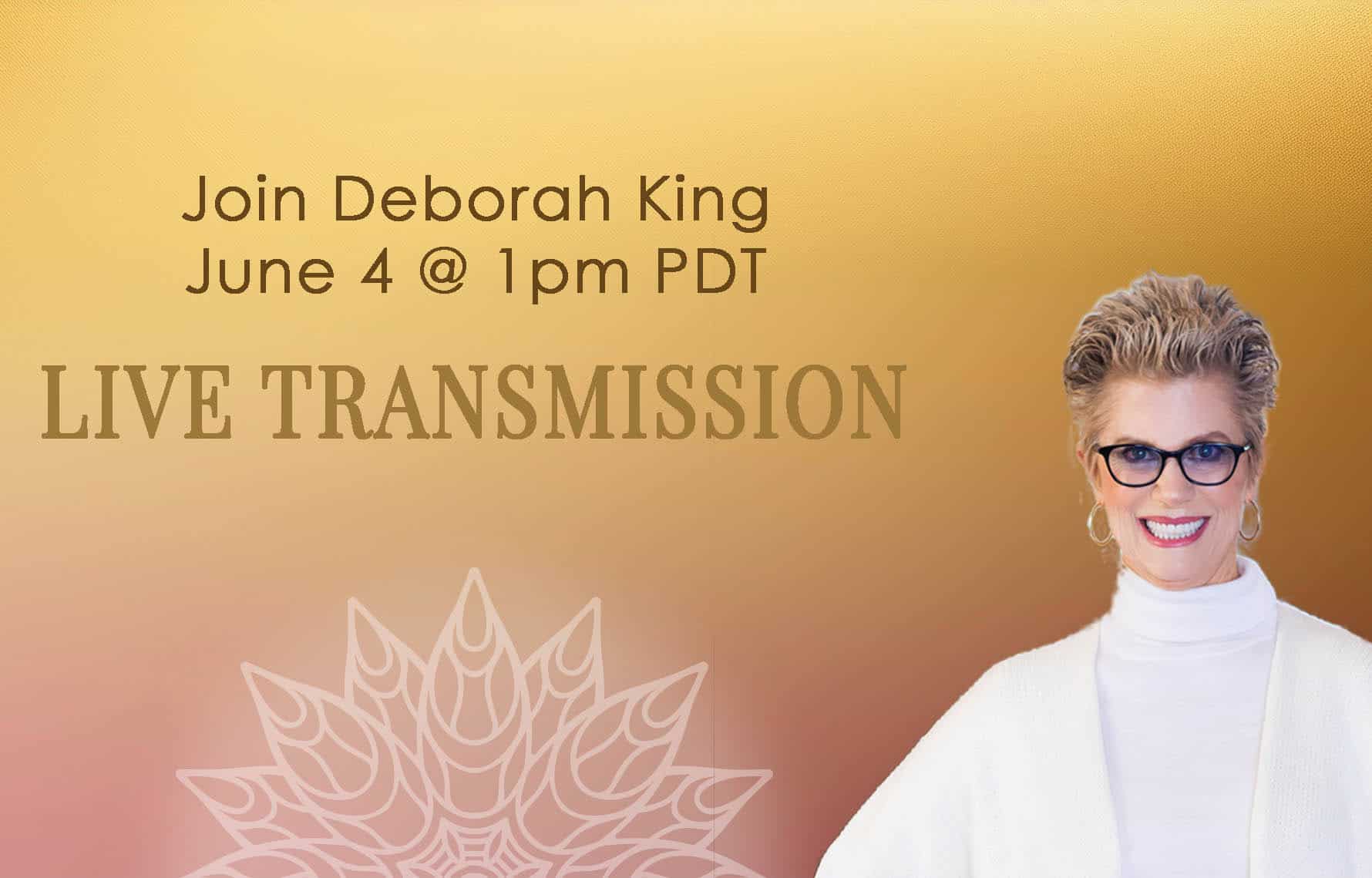
That quiet is not an absence. It is information.

What silence gives back

People often fear silence because they assume it will take something from them.

In my experience, it returns things.

It returns a clearer sense of what you actually feel.
It returns the ability to distinguish your own signal from the surrounding noise.
It returns contact with the part of you that does not need to perform understanding in order to have it.

Over time, silence also returns dignity.

A person who can sit quietly with themselves becomes harder to manipulate. They are less vulnerable to urgency. Less vulnerable to borrowed emotion. Less eager to fill every pause with an answer they do not yet believe.

That steadiness changes a life.

A quiet invitation

If your life has felt loud lately, consider the possibility that insight may not require more conversation.

It may require a better quality of quiet.

And if you know you need more than a few stolen minutes at home… if you need a held environment where the noise can finally soften enough for deeper truth to appear… that is one reason I gather students for the LifeForce Energy Healing® Scottsdale Retreat.

Silence behaves differently there. It has more room. The body responds. Awareness sharpens. What has been circling often begins to settle.

You can explore the retreat details here >>

Some truths do not arrive through explanation.

They arrive after the talking stops.